
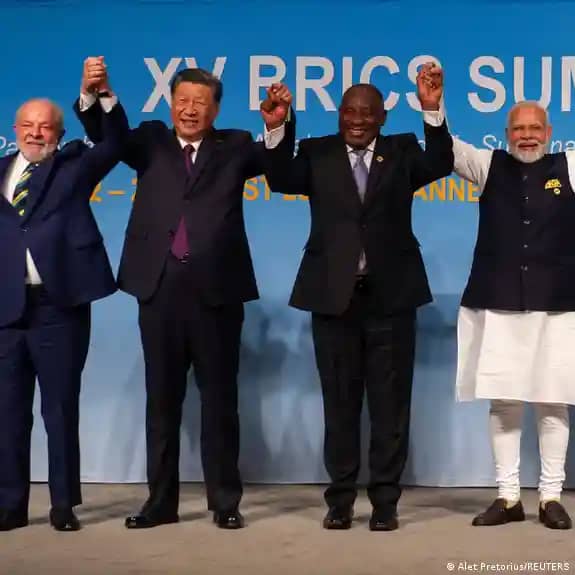
Ethiopia, along with five other countries, has been invited to join the BRICS group of emerging economies. This is a significant step for the country, which has been experiencing rapid economic growth and political reforms in recent years. But what are the benefits and challenges of joining BRICS for Ethiopia and Africa?
What is BRICS?
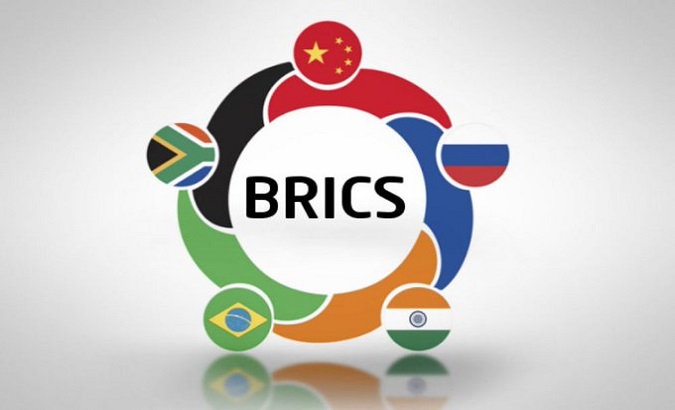
BRICS is an acronym for Brazil, Russia, India, China, and South Africa. These five countries represent some of the largest and fastest-growing economies in the world, accounting for about 23% of global GDP and 40% of the world’s population. BRICS was formed in 2009 as a platform for cooperation and dialogue among these emerging powers on various issues, such as Trade, Finance, Development, Security and Climate Change. BRICS also aims to challenge the dominance of Western-led institutions and norms in global governance.
Why Ethiopia?
Ethiopia is one of the six countries that have been invited to join BRICS, along with Argentina, Egypt, Iran, Saudi Arabia and the United Arab Emirates. Ethiopia is the second most populous country in Africa, with about 115 million people. It is also one of the fastest-growing economies in the world, averaging about 10% annual growth rate over the past decade. Ethiopia has also embarked on a series of political and economic reforms since Prime Minister Abiy Ahmed came to power in 2018, ending decades of authoritarian rule and opening up the country to more democracy and diversity.
Ethiopia has strong ties with China and India, two of the BRICS members. China is Ethiopia’s largest trading partner and investor, while India is Ethiopia’s second-largest source of foreign direct investment. Ethiopia also hosts the headquarters of the African Union and the United Nations Economic Commission for Africa in its capital, Addis Ababa, making it a strategic hub for regional and continental affairs.
What are the benefits?
Joining BRICS would offer Ethiopia several advantages:
- It would provide access to a robust platform for economic cooperation and partnerships with influential emerging economies. Ethiopia could benefit from technology transfers, knowledge sharing, and capacity-building initiatives.
- It would enhance Ethiopia’s trade and investment opportunities within the BRICS framework. This would signal Ethiopia’s openness to global engagement and could improve its image as an attractive destination for investments.
- It would increase Ethiopia’s leverage in negotiations with international financial institutions, such as the IMF and the World Bank. Ethiopia could also potentially be part of a challenge to the dominance of the U.S. dollar through the creation of a new BRICS currency.
- It would align Ethiopia with BRICS powers that generally support non-interference in the affairs of other states. This could help Ethiopia deal with its internal conflicts and regional disputes without external pressure or intervention.
- It would boost Prime Minister Abiy Ahmed’s image as a visionary leader who can steer Ethiopia towards a more prosperous and peaceful future.
What are the challenges?
Joining BRICS would also pose some challenges for Ethiopia:
- It would require Ethiopia to balance its relations with different BRICS members that may have competing interests or agendas in Africa. For example, China and India are both vying for influence and resources in the continent, while Russia and South Africa are both involved in mediating conflicts in neighboring countries.
- It would expose Ethiopia to more scrutiny and criticism from Western powers that may view BRICS as a threat or a rival to their interests and values. For example, some Western countries have expressed concerns over human rights violations, corruption and lack of transparency in some BRICS countries.
- It would demand Ethiopia to contribute more to global issues that may not be directly relevant or beneficial to its national interests. For example, Ethiopia may have to take a stance on contentious issues such as Syria, Iran or North Korea that may affect its relations with other countries or regions.
- It would challenge Ethiopia to maintain its own identity and sovereignty while being part of a larger group that may have different priorities or perspectives. For example, Ethiopia may have to compromise on some of its principles or policies to accommodate the consensus or interests of other BRICS members.
What does it mean for Africa?
Ethiopia’s membership in BRICS would have implications for Africa as well:
- It would elevate Ethiopia’s role as a leader and representative of Africa in global affairs. Ethiopia could use its voice and influence in BRICS to advocate for African interests and concerns on various issues.
- It would encourage more African countries to seek closer ties with BRICS members as alternative sources of trade, investment and development assistance. This could help Africa diversify its economic partners and reduce its dependence on traditional donors.
- It would inspire more African countries to pursue their own political and economic reforms and aspirations, following Ethiopia’s example. This could foster more democracy, stability and growth in the continent.
- It would challenge more African countries to rethink their relations with Western powers and institutions that may not always serve their interests or needs. This could create more space for Africa to assert its own agency and agenda in global affairs.
Ethiopia’s invitation to join BRICS is a historic opportunity for the country and the continent. It reflects Ethiopia’s remarkable achievements and potential as an emerging economy and a regional power. It also offers Ethiopia various benefits and challenges that require careful consideration and management.
Ethiopia’s membership in BRICS could have positive impacts for Africa’s development and integration, as well as its role and voice in global governance. However, it also entails some risks and responsibilities that need to be addressed and balanced.
Ethiopia’s decision to join BRICS will have far-reaching consequences for its future and that of Africa.
Discover more from Haqiqa Global Business
Subscribe to get the latest posts sent to your email.
 Haqiqa Global Business